
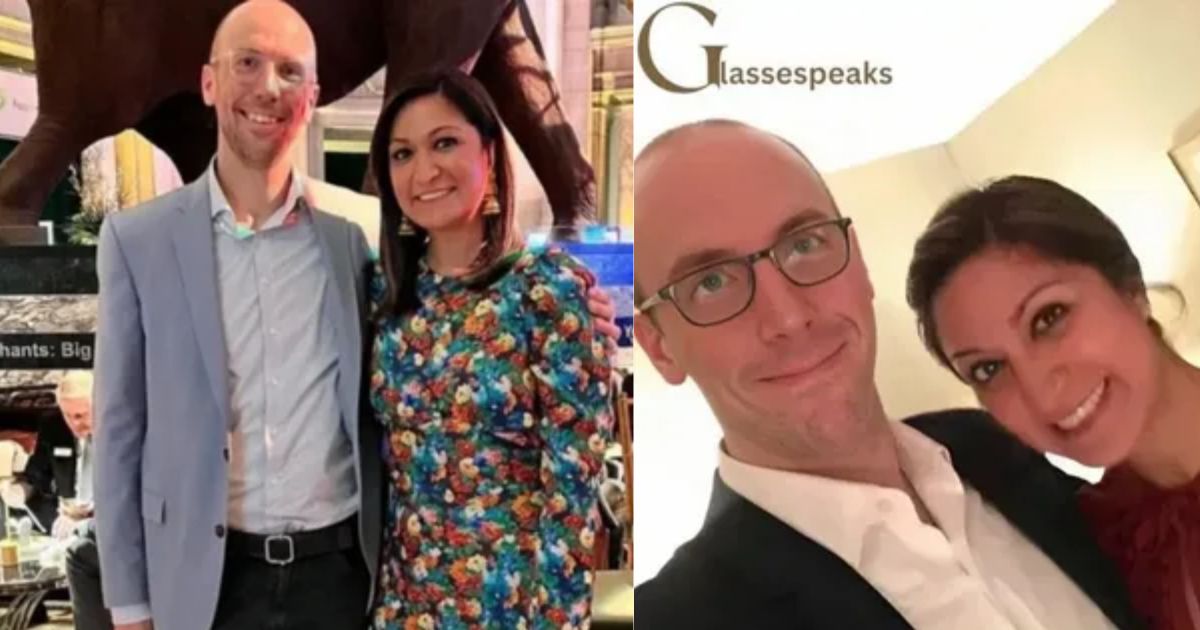

Paul Werdel’s Profile Summary
Not every great story unfolds under bright studio lights. Some of the most compelling ones quietly happen behind the scenes — and that’s exactly where Paul Werdel has built his legacy. Known widely as the Amna Nawaz husband, Paul Werdel is far more than a footnote in his wife’s celebrated journalism career. He is a seasoned media professional in his own right, with decades of experience spanning BBC World News, Al Jazeera English, TPM Media, and The New York Times. Here’s a quick overview before we dive deeper.
| Detail | Information |
|---|---|
| Full Name | Paul Werdel |
| Date of Birth | November 17 (year undisclosed) |
| Birthplace | Baltimore, Maryland, USA |
| Nationality | American |
| Ethnicity | White |
| Religion | Christian |
| Education | St. John’s College; University of Maryland (reported) |
| Profession | Journalist, Senior Editor, Product Director |
| Notable Employers | BBC World News, Al Jazeera English, TPM Media, The New York Times |
| Spouse | Amna Nawaz (married 2007) |
| Children | Two daughters |
| Residence | Washington, D.C. |
| Net Worth (2026) | Estimated $1.5M – $2M |
| Social Media | Largely inactive/private |
Paul Werdel’s Background and Professional Journey
Early Life and Education
Paul Werdel grew up in Baltimore, Maryland, a city that has long served as a hub for East Coast media and culture. His birthday falls on November 17, as confirmed through a 2023 Instagram post by Amna Nawaz. While his exact birth year stays private — something entirely consistent with his famously low-key personality — most reports suggest he was born sometime in the 1970s. Growing up in Baltimore gave him firsthand exposure to community storytelling and regional news culture, two things that would shape his entire journalism career path.
Education has always been a cornerstone of Paul Werdel’s success. He is an alumnus of St. John’s College, a liberal arts institution renowned for its Great Books curriculum, which emphasizes philosophy, literature, mathematics, and political theory. That kind of intellectual foundation isn’t typical for someone who ends up running digital product teams at major newsrooms. But it makes perfect sense when you think about it. A mind trained on Plato and Euclid approaches problem-solving differently. It asks why before it asks how. That’s an edge in any industry — especially one as fast-moving as digital journalism.
His academic path reflects the broader curiosity that defines his professional background. Rather than following a cookie-cutter route through a traditional journalism degree program, Paul Werdel took a more philosophical detour. That decision shaped the kind of media strategist he would eventually become: thoughtful, systems-oriented, and never satisfied with surface-level answers.
Professional Career Overview
Early Career and International Media Work
Paul Werdel entered the journalism industry through one of its most demanding doors. He started his career as a producer and director at BBC World News, producing and directing a twice-nightly broadcast of BBC World News in and for the U.S. market. His main responsibilities included writing and editing screenplays, producing and editing news packages, creating running orders, and scheduling guests for these shows. That’s not a slow start by any measure. Producing live international news broadcasts for a U.S. audience demands speed, precision, and a deep understanding of what American viewers need from global coverage.
From BBC World News, he moved to Al Jazeera English, where he spent more than three years expanding his editorial instincts further. Working at Al Jazeera English meant operating within a newsroom that challenged dominant Western media narratives and pushed journalists to frame global events through a wider geopolitical lens. That experience clearly informed his later work in newsroom leadership and digital media strategy. He wasn’t just producing content. He was learning how to think about information architecture at a global scale.
Digital Transformation and Innovation
After his time at international broadcasters, Paul Werdel took a pivotal turn toward digital platforms. He worked for TPM Media LLC before joining The New York Times, serving as a Senior Associate Editor for the company for nearly two years. TPM Media — better known as Talking Points Memo — was one of the early digital-native newsrooms that helped redefine what digital journalism could look like when freed from the constraints of print deadlines and broadcast slots. His time there was formative. It connected his traditional broadcasting chops with the emerging world of digital news strategy and online audience engagement.
This was the period when newsrooms everywhere were scrambling to understand what the internet meant for their futures. Paul Werdel wasn’t scrambling. He was already navigating. His experience at TPM Media positioned him perfectly for the next — and perhaps most significant — chapter of his successful media career.
Career at The New York Times
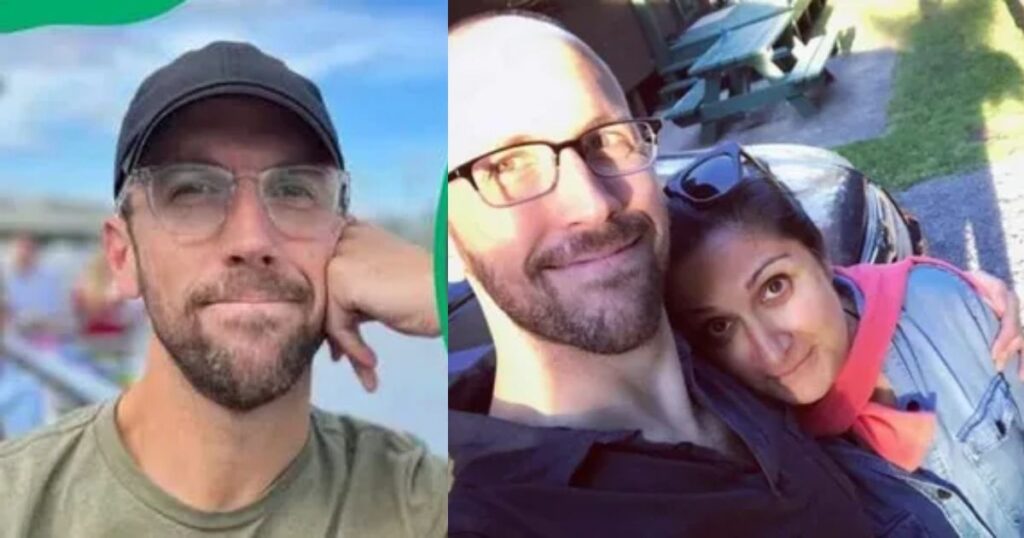
This is where the Paul Werdel professional story reaches its peak. From 2012 to 2018, he was employed at The New York Times as an assistant editor for digital platforms, senior editor of platforms, senior product manager for mobile, and product director. Six years. Four distinct roles. Each one more senior than the last. That kind of progressive responsibility at one of the world’s most prestigious news organizations doesn’t happen by accident.
As a former New York Times editor and product director, Paul Werdel sat at the intersection of journalism and technology at a moment when that intersection was reshaping the entire media industry. The New York Times was investing heavily in mobile, app design, user experience, and digital product leadership during those years. His work influenced how millions of readers consumed news on their phones — even if they never knew his name. That’s the nature of the work he chose: deeply influential, intentionally invisible.
Many people are also interested in his biography because of the major life decision he made in 2018: stepping away from his senior leadership role at The New York Times to support his wife’s rising journalism career and to become the primary caregiver for their children. That choice — walking away from a prestigious senior role voluntarily — said everything about his values. A different kind of ambition. One that measures success in presence, not prestige.
Read More: Judy Swaggart: Untold Facts, Family Life, Biography & Latest Updates
Skills and Professional Identity
Paul Werdel isn’t easy to categorize. He’s a news producer who became a senior editor, a digital media expert who could run editorial meetings in the morning and UX strategy sessions in the afternoon. His skills stretch across several professional disciplines that most people keep in separate silos.
His core areas of expertise include:
| Skill Area | Details |
|---|---|
| News Production | Live broadcast production, script editing, segment planning |
| Editorial Leadership | Platforms strategy, audience engagement, newsroom operations |
| Digital Product Management | Mobile product strategy, platform development, user experience |
| Media Strategy | Cross-platform content strategy, digital transformation |
| International Journalism | U.S. and global news framing across multiple major networks |
What ties all of these together is a rare ability to think at both the editorial and the structural level simultaneously. He understands what a story needs to say and what a platform needs to do to help that story reach the right audience. That combination — journalism and media fluency meeting media technology instincts — makes him one of the more quietly influential figures of his generation in American news media.
Net Worth
As of 2025, Paul Werdel‘s net worth is estimated at $1.5M to $2M, largely from his journalism roles and digital product leadership. He occasionally works as a consultant while focusing on family life. His wife, Amna Nawaz, has an estimated net worth of around $2 million. Together, they live a stable and comfortable life in Washington, D.C.
It’s worth noting that Paul Werdel net worth 2026 estimates remain broadly consistent across sources. He’s not chasing wealth publicly. His financial picture reflects someone who spent two decades building equity in some of the world’s most respected newsrooms — and then made a deliberate choice to step back from that trajectory to invest in something less quantifiable. His estimated salary during his active career ranged between $24,292 and $72,507 annually, drawing from his roles at The New York Times as a senior editor, product director, and senior product manager for mobile.
Paul Werdel’s Personal Life
Relationship with Amna Nawaz
There’s something quietly remarkable about the Paul Werdel and Amna Nawaz marriage. Two people who both understand the demands of high-stakes journalism, who both built meaningful careers in the industry, found each other and chose to build a life together on their own terms. Paul married his wife, Amna Nawaz, in 2007, and they have been described as living a happy life together.
Their relationship works because it’s built on a foundation of mutual understanding, not just mutual affection. Amna knows what it means to file reports from conflict zones, to anchor live national broadcasts, and to carry the weight of public trust. Paul Werdel knows it too. When he stepped back from his own senior career to support hers, he wasn’t making a sacrifice born out of necessity. He was making a strategic choice rooted in partnership — the kind of cross-cultural marriage that many people talk about but few actually demonstrate.
On April 4, 2022, Amna penned a heartfelt message for him on Instagram, writing that although they are sometimes miles apart, Werdel always finds a way to make her laugh, and that she is grateful for the happy memories they have created together. That’s not marketing. That’s a marriage. The kind where two people genuinely like each other, not just love each other. That distinction matters more than most people realize.
Their married life also represents something broader — a model for how dual-career couples in demanding industries can support each other without diminishing either partner. Paul Werdel’s relationship with Amna Nawaz isn’t defined by who is more famous. It’s defined by who shows up. And by every available account, he shows up consistently.
Children and Family Balance
Paul Werdel and Amna Nawaz have two daughters together. The family lives in the Washington, D.C. area. Both parents have been deliberate about keeping their daughters out of the public eye — a choice that reflects a shared commitment to private family life and to letting their children grow up with some measure of normalcy, despite having a nationally recognized mother.
This was not an easy decision for someone with an established career, but Paul understood that his family required his presence, and he embraced the challenge with grace. He stepped into the primary caregiver role in 2018 when Amna joined PBS NewsHour. That transition required real flexibility — not just logistically, but psychologically. Walking away from a title like “Product Director at The New York Times” requires genuine confidence in your own sense of identity. Paul Werdel clearly has that.
His family-oriented lifestyle is now central to who he is publicly, to the extent that he has a public persona at all. He doesn’t tweet about it. He doesn’t give interviews about it. He simply lives it. And in a media culture obsessed with personal branding, that kind of quiet commitment stands out precisely because it refuses to perform.
Amna Nawaz – A Closer Look
You can’t fully understand the husband of Amna Nawaz without understanding the woman herself. Born on September 18, 1979, in Virginia, Amna Nawaz is an American broadcast journalist and a co-anchor of PBS NewsHour alongside Geoff Bennett. She is the daughter of Pakistani immigrant parents, making her a Pakistani-American journalist who carries both identities with evident pride and purpose.
A first-generation American born to Pakistani parents and raised in Virginia, Nawaz earned her bachelor’s degree from the University of Pennsylvania, where she captained the varsity field hockey team and studied abroad at the University of Zimbabwe. She later earned her master’s degree from the London School of Economics. That resume — Ivy League undergrad, LSE postgraduate, and field hockey captain — tells you something important about how she operates. She’s not someone who does things halfway.
In December 2019, she made history by becoming the first Asian American and the first Muslim American ever to moderate a United States presidential debate. Let that land for a moment. The first. In a country with a long history of presidential debates, no Asian American or Muslim American had ever held that role before her. That’s not a small thing.
Her awards tell the same story of consistent excellence. She is a four-time Peabody Award recipient and Emmy Award winner. Her Peabody Awards recognize PBS NewsHour team coverage of the October 7th Hamas attack in Israel, the Uvalde school shooting in Texas, the January 6th Capitol attack, and the global plastic pollution crisis. Four Peabodys. Four of the most significant stories of the modern era. Each one demanding not just skill, but courage.
She is also an active member of various organizations, including the Council on Foreign Relations, the Asian American Journalists Association, the South Asian Journalists Association, and the Inter-American Dialogue. She’s not just a face on a screen. She’s an active participant in shaping the institutions that shape journalism itself.
As the Emmy Award-winning journalist anchoring one of America’s most respected nightly news programs, Amna has become a symbol of what broadcast journalism can look like when it opens its doors to voices that were historically excluded. And standing quietly behind that symbol is Paul Werdel — her partner, her co-parent, and by every indication, her biggest supporter.
Legacy and Influence
Some people leave a legacy in headlines. Paul Werdel leaves his in something quieter but equally durable: in the newsroom innovations that shaped how digital audiences consume news, in the product decisions that made The New York Times‘s mobile experience more intuitive, and in the domestic infrastructure that allowed one of America’s finest journalists to do her best work.
His career arc — from BBC World News producer to Al Jazeera English editor to digital platforms strategist to product director at The New York Times — maps the evolution of modern journalism itself. He moved through every major transition the industry experienced over two decades. Print to digital. Desktop to mobile. Linear broadcast to on-demand. At each stage, he wasn’t watching the transformation from the sidelines. He was helping to engineer it.
His contributions to digital journalism and modern media strategy reflect both creativity and professional expertise. Even while maintaining a low-profile lifestyle, Paul Werdel continues to be admired for his professionalism, support for family life, and dedication to journalism.
What makes the Paul Werdel story genuinely compelling is how it challenges the cultural assumption that influence requires visibility. In an era when everyone is their own brand, when LinkedIn profiles are curated like museum exhibits and Twitter feeds double as press releases, he chose a different path. He did extraordinary work. He raised a family. He supported a partner. And he let the work speak for itself.
That’s a legacy. Maybe a quieter one than his wife’s. But no less real.
FAQs
What is Paul Werdel’s ethnicity?
Paul Werdel holds American nationality and White ethnicity. He was born and raised in Baltimore, Maryland, and has built his entire career within American and international media organizations. His cross-cultural marriage to Amna Nawaz — a Pakistani-American journalist — reflects a partnership built on shared values and professional respect rather than cultural similarity. His Christian faith and American background contrast with Amna’s Pakistani-American and Muslim identity, yet their marriage has endured and thrived for nearly two decades, which says more about their relationship than any demographic label ever could.
How old is Amna Nawaz?
Amna Nawaz was born on September 18, 1979, in Virginia, United States. That makes her 46 years old as of 2026. She has spent more than two decades in broadcast journalism, working her way from a producer at ABC News through senior correspondent roles at NBC News before landing at PBS NewsHour in 2018. At 46, she’s not slowing down — if anything, her influence and platform have only grown. She remains one of the most recognizable and trusted anchors in American public media, and her career continues to generate both critical acclaim and genuine public admiration.
What is Amna Nawaz’s religion?
Amna Nawaz practices Islam, though she keeps her faith private. Her Muslim identity is nonetheless historically significant in American journalism. She became the first Muslim American to moderate a U.S. presidential debate — a milestone that her faith made both more meaningful and, in certain political climates, more complicated. Despite receiving the Media Award from the Muslim Public Affairs Council and the Excellence in Media Award from the American Muslim Institution, she has consistently let her journalism define her public identity rather than her religion. Her faith is personal. Her work is public. And she seems to understand — and prefer — that distinction.
This article is based on publicly available information and verified reporting. All figures, including Paul Werdel net worth estimates, reflect data available as of 2026 and may be subject to change.

Magazine Scop Editorial Team researches celebrity and entertainment topics using reputable public sources. We prioritize factual accuracy, transparent sourcing, and clear corrections whenever reliable information is limited or disputed.
